Diet Chart For Women weight lose prescribe by Doctors

Foreign we're going to discuss the role of intermittent fasting to facilitate weight loss including the science behind intermittent fasting how it works in practice side effects and tips for what you could eat and also foods to try and avoid now before we get into the main section of this article .


I do want to stress that I've designed this as a general educational resource it's not a clinical advice article and I'd strongly suggest that if you do have a medical condition such as diabetes and you're thinking about making changes to your diet you should first discuss this with your healthcare provider especially if you're taking medication so let's start by discussing what intermittent fasting is well put quite simply intermittent fasting involves cycling between periods of fasting and eating and there are two main ways of doing this in practice and we'll discuss these in more detail later in the article. These are essentially called the 5 2 or 16 8 diets we'll discuss the specific science behind intermittent fasting in the next section of the discuss.

 but in a nutshell when only fast to use up stored energy by burning excess body fat and this results in weight loss so now that we have a basic understanding of what intermittent fasting is why don't we briefly look at the science behind intermittent fasting because I do think that it's worth trying to understand what the theory behind intermittent fasting is to try help us make sense of how this particular form of dieting does help us to lose weight so when we we take in more energy from food then can immediately be used by the body a hormone called insulin is produced when we eat which breaks down carbohydrates into glucose glucose can then be used by the cells for energy or it can be stored in the liver or muscle as glycogen when we need a quick source of energy or the body's not getting glucose from food the glycogen is released from the liver and broken down into glucose and sent into the bloodstream however there's limited storage space for glycogen and once stores are full the liver will turn excess glucose into fat now some of this fat will be stored in the liver or it will be exported to other fat deposits in the body now when you fast the insulin levels fall this signals the body to start burning stored energy and one of these stored energy sources that the body can use is glycogen in the liver and the body will use that first as it's most accessible after the glycogen has been used up the body will start to break down fat to get the energy that it needs if we start to burn the stores of energy such as the glycogen or fat then in theory we should lose weight 


so now we know a little bit more about the science behind intermittent fasting well what are the different methods for fasting well the two most well-known methods for intermittent fasting are the 5-2 diet this is where you normally eat for five days a week then eat only around 500 to 600 calories on the other two days the second option is time restricted eating where you have a long period in the day when you don't eat with the time restricted eating most people choose something called a 16 8 cycle this involves not eating for 16 hours of the day then having an eight hour eating window and generally this diet form is done daily or almost daily intermittent fasting can help you lose body fat as it works out to approximately a 25 total calorie deficit for the week however you do need to be mindful of the foods that you're eating in the FED state if you overeat or you're eating high calorie foods then you won't see the weight reduction that you're looking for so now we know a little bit more about the two main practical methods for intermittent fasting why don't we look at five foods that you might want to consider incorporating into your diet 

and also five foods to try and avoid so for the days and times that you're not fasting you're going to want to try and keep your diet in line with General Health eating guidelines and to help you with this I'm going to highlight some key food groups that you might want to consider so the first are whole grains these come onto your starchy carbohydrates and these will provide slow release of glucose into the bloodstream they're also an important source of fiber vitamins and minerals and examples of these are are oats whole grain bread whole grain pasta as well as brown rice now the second food group are lean meats and fish and these are important because they're packed full of protein and this is essential for the growth and repair of muscles 

and tissues the best kinds are lean meats such as skinless chicken and low-fat turkey white fish such as haddock or Cod are lean sources of protein and oily fish like salmon sardines tuna mackerel they're full of omega-3 fatty acids which are important for brain and heart health now the third food group to consider are dairy products which can be a rich source of calcium which is really important for bone health but you should try to choose low-fat varieties of dairy products things like skimmed milk and low-fat Greek yogurt fourth group are obviously fruits and vegetables these provide us with an important source of vitamins minerals as well as fiber and finally lentils beans and pulses are also good because they're low in fat and they're an important source of protein fiber as well as vitamins and minerals now those are the five food groups that I think you should try and incorporate into your diet but some people will ask well what food should I avoid well on an intermittent fasting diet foods that you should avoid are things like refined carbohydrates this means carbohydrates that have been highly processed and they 

contain little of the original grain and this is important because these foods are going to cause a rapid spike in your blood glucose levels and these are things like white flour white bread white rice white pasta many breakfast cereals they're usually packed full of unrefined sugars the next one is obviously sugar and this includes simple sugars like table sugar maple syrup but also foods that contain added sugar things like sugary drinks sweets chocolates ice creams and biscuits now the other food group to try and avoid are calm complex animal fats these are things like dripping and lard and these should be avoided on a low fat diet because they're high in saturated fat you should also try avoid too much red or processed meat 

so Meats like bacon and sausages these contain lots of saturated fats and try to stick to lean meats or try to cut any visible fats off if you're eating meat finally processed foods these are foods that have been altered in some way during preparation things like cakes pastries and biscuits as well as pies and convenience Foods they tend to be high in calories due to the amount of saturated fat as well as added sugar so what are the possible side effects of an intermittent fasting diet well some people might experience headaches and constipation but the risk of this can be minimized by making sure you're drinking plenty of fluids on the fasting days as well as eating plenty of vegetables and fruits again I do want to stress that if you're considering the intermittent fasting style of dieting then please consider this in the risk of your own personal health and medical conditions and if if you've got any questions or concerns before starting this diet then please do try to speak to a trained and registered dietitian or your doctor who will be able to advise you on the sustainability as well as suitability of this in relation to your own personal medical history so that brings us to the end of this video I hope you enjoyed it as well as learned something new and 

if you did please remember to consider liking the discuss leaving me a comment if you've got any other thoughts or you want to share your experiences with intermittent fasting both positive and negative. 


Children's health Care Tips

 Children's health Care Tips 


Include these in your children's food list to boost their immunity


They are advising people to focus more on boosting their immune system than the Corona situation. However, whether there is a Corona situation or not, boosting their immune system is very important for good health at any time.

Children prefer to eat junk food. This causes various harms to their health. It is necessary to include in their diet something that will be beneficial for their health.


It is necessary to inculcate the habit of feeding children plenty of green vegetables from an early age. Green vegetables keep their blood pure and reduce the risk of diabetes. However, while feeding vegetables, one should keep in mind that they should not be reheated repeatedly.


Including beans in your diet reduces the risk of obesity in children and also helps reduce the risk of various types of cancer. Onions are used in cooking in many homes. Experts say that onions contain anti-cancer and anti-diabetic properties. They are also very beneficial in boosting immunity.


Experts recommend feeding mushrooms to children regularly. Its benefits are many. However, before feeding mushrooms, it is important to check whether they are safe or not. Pay attention to your child's nutrition from the beginning. Develop the habit of eating a variety of foods.

Make sure your child doesn't overeat. Feed your child fresh fruits and vegetables. Avoid junk food. There is no harm in eating a burger or pizza occasionally. But make sure that it does not become your child's favorite food.

Make sure that the child gets complete nutrition throughout the day. So that his growth is proper. In this case, you can talk to a pediatrician. Find out how much nutrition the child needs according to his age, height, and weight. Also know what foods can provide nutrition.


Make sure your child eats the lunch you provide for school. If he doesn't, prepare an attractive, healthy meal for him. Make sure that your child is engaged in physical activities like dancing and sports. Now yoga classes have also been started for children. Let your child engage in the sport that he/she feels attracted to. Proper rest is also necessary for a child's good health. Make it a habit for your child to go to bed early so that he can wake up early in the morning.


To ensure your child gets enough sleep, stop watching TV late at night. Make sure your child gets at least eight hours of sleep a night.


A Keto Diet Plan Forces Body To Burn Fat And Very Low Carbohydrate

The keto diet, or keto diet plan in layperson's terms, is a low-carb, high-fat eating plan that is popular for its potential health benefits. This diet is similar to other low-carb diets, such as the Atkins diet, but it has a unique approach to macronutrient balance. At its core, the keto diet meal plan involves reducing carbohydrate intake and replacing it with fat. 70-80% fat ,10-20% protein ,5-10% carbohydrates.


How it works 

The keto diet profoundly affects the body's metabolism, shifting it from using carbohydrates as a primary energy source to burning fat. This metabolic change occurs through a process called ketosis, which is an essential initial step for the diet to function.

When a person drastically reduces their carbohydrate intake, usually around 20 to 50 grams per day, the body's glucose stores decrease. As a result, insulin levels drop significantly, which initiates a series of metabolic changes. The body enters a catabolic state, where it begins to break down fat for energy.

Two key metabolic processes come into play during this transition:

 The body produces glucose internally, primarily in the liver, using substrates such as pyruvate, lactic acid, glycerol, and certain amino acids.

 When glucose availability decreases further, the body switches to keto to provide an alternative energy source in the form of keto bodies.

During keto, low insulin levels lead to the breakdown of fat, producing fatty acids. These fatty acids are then metabolized into acetoacetate, which is then converted into beta-hydroxybutyrate and acetone. These three compounds are known as keto bodies, and as you maintain a keto diet, they begin to accumulate in the body. This metabolic state is called "nutritional ketosis."


What are the benefits of keto

Weight loss is one of the main benefits associated with ketosis. The body's shift to using fat for fuel can reduce body fat, especially visceral fat around the belly.

This process can lead to reduced appetite and lower calorie intake. 

Many people on a keto diet experience weight loss while maintaining lean muscle mass.

For epilepsy, especially in children with focal seizures, ketosis has an effect on brain excitability, potentially reducing seizure frequency.

Research also suggests that keto may have neuroprotective properties, making the diet of interest for conditions such as Alzheimer's disease, autism, and some brain cancers.

Diet affects blood sugar control, helping individuals with type II diabetes to control their blood glucose levels more effectively.

The keto diet may also improve cardiovascular health. The diet affects several risk factors for heart disease, including Reduces blood pressure , Improves HDL (good) cholesterol levels ,Reduces triglycerides


What types of foods are allowed on a ketogenic diet

Protein 

Eggs: Rich in B vitamins, minerals, and antioxidants, two large eggs provide 12 grams of protein with zero carbohydrates. 

Meat: Fresh meat and poultry are excellent sources of lean protein, B vitamins, and minerals like potassium, selenium, and zinc.

Fish: Fatty fish such as salmon, sardines, mackerel, and albacore tuna are high in omega-3 fats and protein. They also contain B vitamins, potassium, and selenium.

Dairy

Cheese: With zero carbs, high fat content, and rich in protein and calcium, cheese is an excellent keto-friendly food. 

Greek yogurt: Seven ounces provides about 20 grams of protein and only 8 grams of carbs.

Cottage cheese: Eight ounces contain only 6 grams of carbohydrates and 28 grams of protein.

Vegetables 

Aim for vegetables with less than 8 grams of net carbs per cup. 

Broccoli, green beans, cauliflower, bell peppers, zucchini, and spinach are excellent choices.

This vegetable is low in calories and carbohydrates but high in nutrients, including vitamin C and minerals.

Fruits

Berries: Low in carbs, high in fiber, and rich in antioxidants that reduce inflammation. 

Avocado: Half a medium avocado contains about 6 grams of total carbs, including 4.5 grams of fiber.

Oils and Fats 

Olive oil and coconut oil are highly recommended. 

Avocado oil is another heart-healthy option.


Drinks 

Regular coffee and tea contain zero carbohydrates, fat, or protein. 

Unsweetened sparkling water is also a good choice.

What types of foods should be avoided on a ketogenic diet

Here is a comprehensive list of foods to avoid on a keto diet:

Grains and starchy foods: Grains and starchy foods are high in carbohydrates and can quickly derail ketosis. These include: 

White bread, pasta, and rice 

Quinoa and millet 

Crackers and chips 

Baked goods, including gluten-free options

Even whole grains, while nutritious, are very high in carbohydrates, which becomes a staple on a keto diet.

Starchy vegetables

While vegetables are generally encouraged, some starchy varieties should be limited: 

Potatoes and sweet potatoes , Corn ,Denim ,Beets 

These vegetables contain more digestible carbohydrates than fiber, making them unsuitable for maintaining ketosis.

High-sugar fruits

Fruits are naturally high in sugar and some should be avoided or eaten in very small amounts: 

Bananas ,Mangoes ,Grapes ,Dried fruits (e.g., dates, raisins).

Sweets and sugary foods

Sugar in any form can quickly add up to your daily carbohydrate intake. Avoid: 

Honey and syrups (e.g., agave, maple) ,Table sugar ,Soda and fruit juice ,Sweetened yogurt ,Milk and white chocolate

Processed and packaged foods

Many processed foods contain hidden sugars and starches: 

Ketchup, barbecue sauce, and chili sauce ,Glazed ham ,Low-fat products (often high in sugar)

The ketogenic diet has been proven to be a powerful approach to weight management and improving overall health. It affects the body's metabolism, shifting it from a carbohydrate-dependent to a fat-burning mode. This change affects various aspects of health, from blood sugar control to cognitive function. The diet's focus on high-fat, low-carb foods opens up a world of culinary possibilities, allowing people to enjoy a variety of foods while adhering to their health goals. As with any significant dietary change, it is crucial to approach the ketogenic diet with careful consideration and proper guidance.


Do your nails break easily? You can follow these home remedies

Do your nails break easily? You can follow these home remedies

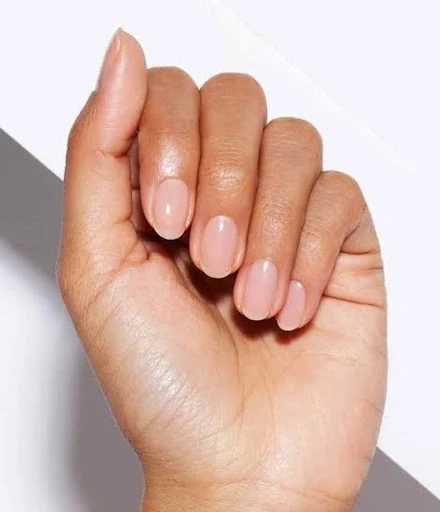
Nails are not only an indicator of health but also of beauty. Nails play an important role in enhancing the beauty of women, especially. So many people want to grow them. But sometimes they go and break. You can follow this natural way.


Everyone takes care of their hair and skin. But there are very few people who take care of their nails. Due to carelessness, nails become thin and breakable. However, experts suggest that following some tips can help you get healthy and beautiful nails.

Need to bring moisture:

Experts say that one of the reasons for dry, brittle and slightly enlarged nails is lack of moisture. Therefore, it is very important to provide adequate moisture to the nails first to avoid such problems. For this, drink enough water. It is also recommended to apply petroleum jelly or other moisturizer around the nails (cuticles) and wear cotton gloves on your hands. Apply the cream to your nails and leave it overnight and wash it off in the morning. Doing this regularly also restores the moisture in your nails. As a result, the problem of nail breakage is reduced.

Vitamin E oil can:

Do your nails often become dull? Dry and brittle? Then you can definitely use vitamin E oil as recommended by experts. For this, apply a few drops of vitamin E oil to the base of the nail and leave it there for a while. Experts suggest that doing this regularly will improve blood circulation in the nails and they will become beautiful and healthy within a few days. It is also known to reduce the problem of nail breakage.


Olive Oil:

Olive oil is another oil that helps reduce breakage. First, take a bowl, add olive oil to it and then dip your nails in it. Then soak your nails for about 30 minutes. According to experts, doing this once a week for the first month can help prevent the problem of nail breakage.


Reduce water consumption :

You should reduce the amount of water you put on your nails. Although a lot of water gets on your nails during the day's work, it is important to wipe your nails thoroughly after you finish your work if your hands are wet. Because the more water there is in the nails, the softer and more brittle they become. So, if necessary, you can use gloves when working in water. Also, keep a soft cloth in the kitchen with which you can wipe your nails.


Keep your nails short :

If you keep your nails long, there is a high chance of them breaking. And if you keep your nails long, there is a possibility of water accumulating in them. So it is necessary to keep your nails short. And if you keep your nails short, there is no possibility of dirt accumulating. As a result, the possibility of infection is also less.


Keep nails clean :

It is necessary to clean the nails of the hands and feet regularly. You can clean the nails with liquid soap or shampoo and a little warm water. In the case of toenails, use a soft brush especially. With the help of this brush, it is necessary to clean the corners of the nails by rubbing them. Sometimes it is necessary to do a pedicure. You can do a pedicure at home. If you do not keep your nails clean, dirt can accumulate on them, which can lead to various types of infections. A little carelessness can lead to big problems. Infections can suddenly increase. Therefore, it is necessary to take care of your nails regularly and keep them clean.

Nail care what not to do

Bite your nails or hold your cuticles. These habits can damage the nail bed. Even a small cut on the side of your nail can allow germs to enter and cause an infection.

Remove the nails. You can tear off the living tissue along with the nails. Instead, gently cut the nails.

Use harsh nail care products. Limit your use of nail polish remover. When using nail polish remover, choose one that does not contain acetone.

If you rely on manicures or pedicures for healthy nails, here are a few things to keep in mind: Go to salons that have a current state license. Work only with technicians who are licensed by the state board. Don't let your cuticles be removed. They hold the skin to the nail plate. Therefore, removing them can lead to nail infections. Also, make sure that the tools your nail technician uses are sterile to prevent the spread of infection. Make sure that you are not allergic to any of the ingredients in the products used at the salon.

It's easy to neglect your nails, but taking a few basic steps can help keep them healthy and strong.


If you want to lose 10 kgs of weight in just 2 weeks, then follow this diet plan

If you want to lose 10 kgs of weight in just 2 weeks, then follow this diet plan Do you know that you can lose up to 10 kgs in just 2 weeks?...