Weight loss diet chart for women within 7 days

Weight loss diet chart for women


Every person is different. A food may have a positive effect on one person and a negative effect on another. Women Multitaskers. They work a 9-5 job and then handle office work at the same time. Foods like carbohydrates, fats, and proteins affect weight. In this busy lifestyle, you may neglect your weight; however, this can lead to weight gain. A weight loss diet chart can be beneficial in maintaining weight.

Doctors recommend avoiding high sugar, processed and floury foods to lose weight. A dietitian is the best guide for weight loss diet chart for women. Join us to learn about weight loss diet chart for women.

Let's understand the method of losing weight

In simple terms, weight loss occurs when you burn more calories than you take in. Our bodies need a certain amount of energy (calories) to perform everyday functions such as breathing, digesting food, and maintaining body temperature. Your basal metabolic rate (BMR) refers to this. When you take in more than you need, your body stores the extra calories as fat Conversely, when you consume fewer calories than your body needs, you start using stored fat for energy, which results in weight loss.

Here are the main reasons for weight loss:

Calorie deficit: A calorie deficit occurs when energy expenditure increases and calorie intake decreases. This can affect weight loss, so be sure to maintain a balance.

Metabolism: Your metabolism plays an important role. A high metabolism represents a rapid burn of calories.

Exercise: Exercise or physical activity is very important for weight loss; however, excessive or excessive exercise can affect calorie expenditure.

Understanding women's nutritional needs

A woman's body size and activity pattern are different. Understanding the nutritional breakdown for women is essential. Here is a breakdown of the nutritional needs for women.

Nutritional breakdown Necessary

    Thick   Not more than 78 grams

    Saturated fat Not more than 24 grams

     Free sugar Not more than 27 grams

      Protein Up to 45 grams

      Carbohydrates At least 267 grams

       Fiber 30 grams

       Salt Not more than 6 grams


Daily weight loss diet chart for women


Your daily diet controls your health. Excess calorie intake or high sugar foods can cause excess weight. Lifestyle plays an important role in controlling your weight. Vegetarian and non-vegetarian diets can also affect your weight. Here is a simple and helpful daily weight loss diet chart for women. The diet plan includes early wake up and early go to bed with nutrient-rich and low-carb meals. However, the diet chart does not compromise on taste.

Day 1- Weight Loss Diet Chart for Women

Time of day Food to eat 6:30 am 1 glass of cucumber detox water 8:00 AM 2 gram flour chillas with 2

tablespoons green chutne

12:00 PM 100 grams of cheese (fried or raw)

2:00 PM 1 bowl of mixed vegetable salad

2:10 PM 1 bowl of spinach and chickpeas

with half a bowl of steamed rice

4:00 PM Half an apple and 1 glass of

buttermilk

5:30 PM 1 cup of milk tea with less sugar

8:50 PM 1 bowl of mixed vegetable salad

9:00 PM 1 bowl of low-fat cheese curry, with

1 piece of Missy bread.


Day 2- Weight Loss Diet Chart for Women

Time of day Food to eat

6:30 AM 1 glass of cucumber detox

water

8:00 AM 1 bowl of sambar and 2 idlis

12:00 PM 100 grams of cheese (fried

or raw).

2:00 PM 1 bowl of mixed vegetable

salad

2:10 PM 1 bowl of potato bhaingan

curry, 1 bowl of curd and 2

rotis

4:00 PM 1 cup of fruit and 1 glass

of buttermilk

5:30 PM Half a cup of low-sugar

milk coffee or sugar-free

tablet.

8:50 PM 1 bowl of mixed vegetable

salad

9:00 PM 1 bowl of okra with 1 bowl

of whole gram dal + 1 bread.


Day 3- Weight Loss Diet Chart for Women

Time of day Food to eat

6:30 am 1 glass of cucumber detox water.

8:00 AM 1 bowl of poha with 1 glass of milk

12:00 PM 100 grams of cheese (fried or raw).

2:00 PM 1 bowl of mixed vegetable salad

2:10 PM 1 bowl of paneer curry with 1 Missi roti

4:00 PM 1 cup papaya and 1 glass buttermilk

5:30 PM 1 cup low sugar tea with milk

8:50 PM 1 bowl of mixed vegetable salad

9:00 PM 1 bowl of potato brinjal curry with 1

roti and 1 bowl of curd.


Day 4- Weight Loss Diet Chart for Women

Time of day Food to eat

6:30 am 1 glass of cucumber detox water.

8:00 AM 2 multigrain toasts with 1 glass of milk

12:00 PM 100 grams of cheese (fried or raw).

2:00 PM 1 bowl of mixed vegetable salad.

2:10 PM 1 bowl of fried paneer, vegetables, 1

bread and 2 tablespoons of green chutney

4:00 PM Half or a small banana and 1 glass

of buttermilk

5:30 PM 1 cup of tea with little or no sugar.

8:50 PM 1 cup vegetable salad

9:00 PM 1 bowl of lentil curry with half a

bowl of fenugreek rice.

Day 5- Weight Loss Diet Chart for Women

Time of day Food to eat

6:30 am 1 glass of cucumber detox water.

8:00 AM 1 egg omelet with 1 glass of fruit

and nut smoothie.

12:00 PM 100 grams of cheese (fried or raw).

2:00 PM 1 bowl of mixed vegetable salad.

2:10 PM 1 bowl of okra with 1 cup of

chickpeas and 1 roti.

4:00 PM 1 glass of buttermilk with 1 orange

5:30 PM 1 cup of coffee with less sugar.

8:50 PM 1 bowl of mixed vegetable salad.

9:00 PM 1 bowl of spinach and chickpeas with half a bowl of steamed rice.


Day Six- Weight Loss Diet Chart for Women

Time of day Food to eat

6:30 am 1 glass of cucumber detox water.

8:00 AM 2 Utpams with 2 tablespoons of

green chutney.

12:00 PM 100 grams of cheese (fried or raw).

2:00 PM 1 bowl of mixed salad.

2:10 PM 1 bowl of lentil curry with half a

bowl of fenugreek rice.

4:00 PM Half an apple and 1 glass of buttermilk.

5:30 PM 1 cup of coffee with less sugar.

8:50 PM 1 bowl of mixed vegetable salad.

9:00 PM 1 bowl of fried cheese with vegetables, 1 bread and 1 bowl of yogurt.


Day 7- Weight Loss Diet Chart for Women

Time of day Food to eat

6:30 am 1 glass of cucumber detox water.

8:00 AM 1 bowl of oats porridge, 30 grams of

almonds in milk.

12:00 PM 100 grams of cheese (fried or raw).

2:00 PM 1 bowl of mixed vegetable salad.

2:10 PM 1 bowl of lentils with 1 bowl of

carrots and peas vegetables and 1 bread.

4:00 PM 1 cup of mixed fruits and 1 glass of

buttermilk.

5:30 PM 1 cup of tea without sugar.

8:50 PM 1 bowl of mixed vegetable salad

9:00 PM 1 cup of dal and 1 bowl of lauki

curry with 1 roti


Keep wrinkles freskin care healthy tips

 Keep wrinkles freskin care healthy tips


Healthy skin TIPS: to keep the skin youthful even in advanced age, then, at that point, this news is valuable for you. In spite of the fact that it is normal to have wrinkles on the face with age, however in actuality, because of wrong dietary patterns and wrong way of life, it comes rashly, because of which the skin gleam disappears. Likewise, you are by all accounts 10 years more seasoned than your age. When there are wrinkles on the face, there is detachment in the skin, know underneath how to eliminate wrinkles? What is the method for fixing the facial skin?


For what reason are there wrinkles on the face?

There can be many purposes behind wrinkles on the face. Specialists express that with maturing, how much proteins called collagen and elastin in the skin consistently diminishes. Because of which the sparkle of the skin disappears. There is detachment in it. Wrinkles begin showing up because of loss of facial dampness. Which removes the shine of your face.

How to eliminate facial kinks? Know beneath the simple arrangement


1. Eliminate wrinkles with Vitamin EFirst cut the vitamin E container.Then apply it on the face with the assistance of finger.You need to lay down with it all over.Follow it up with Vitamin E Rich Cream.Benefits - Vitamin-E is exceptionally gainful for the skin. Which carries snugness to the skin. It supports the flexibility present in the skin cells. Which helps in keeping up with the degree of collagen. With its customary use, facial kinks can vanish totally.


2. Eliminate wrinkles with almond oil

Take 3 drops of almond oil prior to resting around evening time.Rub the face with this oil.Then rest easily by applying it.Clean the face with cold water toward the beginning of the day.Benefit-Almond oil is exceptionally helpful for the skin. Vitamin-E is likewise found in overflow in almond oil. Aside from this, this oil is additionally wealthy in numerous different micronutrients. It mends the skin quicker, because of which the internal cells of the skin become solid. It fixes the skin. Because of this, wrinkles totally vanish from the skin.


3. Get enough sleep: Lack of sleep can lead to dark circles, puffiness, and dull skin. Aim for at least 7-8 hours of quality sleep every night.


4. Keep your skin hydrated: Drink plenty of water and use a moisturizer to keep your skin hydrated and plump.


5. Use sunscreen: Protect your skin from the sun's harmful rays by using a broad-spectrum sunscreen with an SPF of 30 or higher.


6. Avoid smoking and alcohol: Smoking and alcohol can cause wrinkles, dry skin, and other skin problems. Try to avoid them or limit your consumption.


7. Eat a healthy diet: A diet rich in fruits, vegetables, and healthy fats can help keep your skin looking healthy and radiant.


8. Be gentle with your skin: Avoid rubbing or scrubbing your skin too hard, which can cause irritation and damage.


Remember, everyone's skin is unique, and what works for one person may not work for another. If you have any concerns about your skin's health, it's always best to consult with a dermatologist or healthcare professional.

Healthy Heart Diet Plan


Heart-Healthy Diet Plan

A heart-healthy diet focuses on nutrient-rich, balanced meals that promote cardiovascular well-being. Here's a simple plan:

Breakfast

  • Oatmeal: Prepare with low-fat milk, topped with fresh berries, flaxseeds, and a handful of nuts.

  • Green Tea or Water: A heart-friendly beverage to start the day.


Mid-Morning Snack

  • Fresh Fruit: An apple, orange, or banana.

  • Handful of Almonds or Walnuts: For healthy fats and antioxidants.


Lunch

  • Salad Bowl: Mixed greens, cherry tomatoes, cucumbers, carrots, avocado, and grilled chicken or chickpeas. Dress with olive oil and lemon.

  • Whole-Grain Bread or Brown Rice: Provides fiber for heart health.


Afternoon Snack

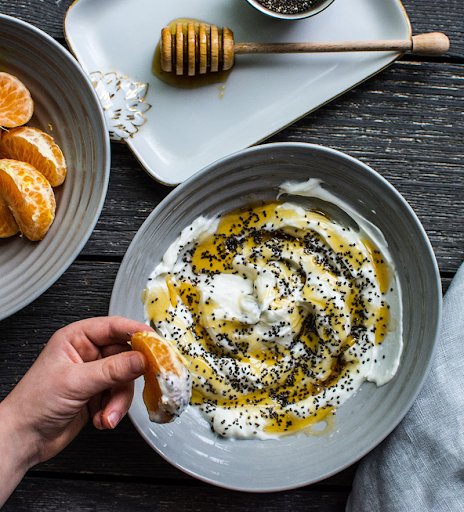
  • Greek Yogurt (low-fat): With a drizzle of honey or chia seeds.

  • Vegetable Sticks: Like carrots or celery, paired with hummus.


Dinner


Evening Snack (Optional)
  • Dark Chocolate (70%+): A small piece for antioxidants.

  • Chamomile Tea: Helps relax and lowers blood pressure.


Tips:

  • Limit salt, sugar, and processed foods.

  • Stay hydrated and exercise regularly for optimal heart health.


Focus on Nutrient-Dense Foods

  • Fruits and Vegetables: Aim for 5–7 servings daily for fiber, vitamins, and antioxidants.

  • Whole Grains: Swap refined grains with whole options like oats, quinoa, brown rice, or whole-grain bread.

Include Healthy Fats

  • Prioritize unsaturated fats from sources like avocados, olive oil, nuts, and seeds.

  • Consume fatty fish (salmon, sardines, mackerel) twice a week for omega-3 fatty acids.


Limit Saturated and Trans Fats

  • Avoid fried foods, commercial baked goods, and processed snacks.

  • Opt for low-fat dairy and lean cuts of meat.


Reduce Sodium Intake

  • Limit salt to under 2,300 mg per day (about 1 teaspoon).

  • Use herbs, spices, and citrus for flavoring instead.


Stay Hydrated

  • Drink at least 8 glasses of water daily, and reduce sugary drinks.

Practice Portion Control

  • Avoid overeating by serving smaller portions and eating slowly.

Balance Your Plate

  • Fill half your plate with vegetables, a quarter with lean protein, and a quarter with whole grains.

Stay Consistent

  • Stick to regular mealtimes and avoid skipping meals to prevent overeating later.

Lifestyle Integration

  • Combine your diet with 30 minutes of daily exercise, stress management, and sufficient sleep for optimal heart health.


Controlling High Blood Pressure Through Meditation

Controlling High Blood Pressure Through Meditation


High blood pressure, or hypertension, is a common condition that increases the risk of heart disease, stroke, and other serious health issues. Alongside lifestyle changes like a healthy diet, regular exercise, and stress management, meditation has emerged as a powerful tool to help control blood pressure Controlling High Blood Pressure Through Meditation 

 Meditation works by calming the mind and reducing stress, a key contributor to high blood pressure. Practices like mindfulness meditation, deep breathing, and progressive relaxation can lower the body's stress hormones, which helps dilate blood vessels and reduce overall blood pressure. Regular meditation also improves emotional resilience, making it easier to manage life’s challenges without triggering unhealthy spikes in blood pressure.


 To begin, set aside 10–20 minutes daily in a quiet space. Sit comfortably, close your eyes, and focus on your breath or repeat a calming word or phrase, like “peace.” Mindfulness practices, where you gently bring attention back to the present moment whenever your thoughts wander, can also be effective. Scientific studies have shown that consistent meditation can lead to sustained blood pressure reduction over time. When combined with a healthy lifestyle and proper medical care, meditation provides a holistic and accessible approach to controlling high blood pressure and improving overall well-being.


High blood pressure, or hypertension, is a significant risk factor for heart disease, stroke, and kidney problems. While medication and lifestyle changes are crucial, meditation is a natural and effective way to help lower and manage blood pressure. It not only reduces stress but also promotes relaxation, both of which are vital for heart health. Meditation helps by calming the mind and reducing the production of stress hormones like cortisol and adrenaline. These hormones, when elevated, can cause blood vessels to constrict and increase blood pressure. Practices such as mindfulness meditation, deep breathing exercises, and guided visualization encourage a state of relaxation, which helps blood vessels dilate, improving blood flow and reducing blood pressure levels. 


 To incorporate meditation into your routine, dedicate 10–30 minutes daily in a quiet, comfortable space. Focus on your breath, a mantra, or calming imagery. Apps and guided meditations can also be helpful for beginners. Over time, meditation can improve emotional regulation, making you less reactive to stressors that might otherwise spike blood pressure. Research shows that regular meditation not only lowers blood pressure but also enhances overall cardiovascular health. When combined with a balanced diet, regular exercise, and medical advice, meditation becomes a powerful tool in managing hypertension and improving overall well-being.

If you want to lose 10 kgs of weight in just 2 weeks, then follow this diet plan

If you want to lose 10 kgs of weight in just 2 weeks, then follow this diet plan Do you know that you can lose up to 10 kgs in just 2 weeks?...